
Emergency Spot Removal Guide: What To Do In The First 10 Minutes After A Spill
Spills happen when you least expect them—during dinner parties, busy mornings, or a game of fetch with your furry friend. No matter how careful you are, accidents are inevitable. But what truly matters is what you do next. The first 10 minutes after a spill can make all the difference in effective spot removal.
This guide walks you through the most important actions to take immediately after a spill on your carpet, hardwood, or luxury vinyl flooring, helping you avoid permanent damage and keep your floors looking flawless.
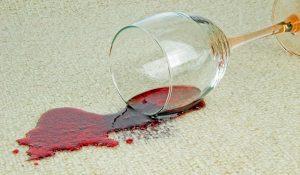
Step 1: Act Fast—Time Is Everything
The clock starts ticking the moment something hits your floor. Whether it’s red wine, coffee, or pet messes, the faster you respond, the better your chances of full spot removal. The longer a spill sits, the deeper it sets into fibers or surface layers.
Pro tip: Keep a spill-response kit handy with paper towels, clean cloths, a spray bottle with water, and a safe cleaning solution for your floor type.
Step 2: Blot—Don’t Rub
Your instinct might be to grab a towel and start scrubbing—but resist the urge! Rubbing spreads the stain and pushes it deeper, especially on carpet.
Instead, blot gently with a clean, absorbent cloth or paper towel. Work from the outside of the spill inward to prevent spreading. On hardwood or LVP, use a dry or slightly damp microfiber cloth to lift up the spill without damaging the surface.
Step 3: Know Your Flooring Type
Different floors respond differently to moisture and cleaning solutions. Choosing the right approach for your floor type is essential for effective and safe spot removal.
- Carpet: After blotting, apply a gentle cleaner made for carpets or a mix of water and white vinegar. Let it sit for a few minutes, then blot again. Avoid over-wetting the area.
- Hardwood: Quickly wipe up any liquid with a dry cloth to prevent water damage. If sticky residue remains, use a wood-safe cleaner on a slightly damp cloth. Never let liquids sit on hardwood.
- LVP (Luxury Vinyl Plank): Wipe spills immediately with a soft cloth. If needed, follow up with an LVP-safe cleaner. Avoid harsh chemicals like bleach or acetone.
Step 4: Rinse And Dry The Area
After the initial spot removal process, go over the area again with a clean, damp cloth to rinse off any remaining cleaning solution. Then, dry the spot thoroughly using a fresh towel. This prevents any moisture from seeping deeper into the floor, which can lead to staining, warping, or mold growth.
Step 5: Evaluate The Results
If the stain is gone—congratulations! If not, avoid using harsher chemicals or excessive scrubbing, which can damage your flooring. Instead, let the area dry completely and reassess. Some tough stains may require a second treatment—or professional help.
If you’re unsure whether your cleaner is safe or you’re dealing with a tricky stain, don’t take chances. The team at Kiss Carpet in Michigan is always here to offer trusted guidance and solutions tailored to your flooring type.
When To Call The Professionals
If your DIY efforts aren’t successful or you’re dealing with a large spill or delicate flooring, professional spot removal services may be your best bet. At Kiss Carpet, we have the tools, experience, and safe products to handle even the most stubborn stains—without damaging your flooring.
Count On Kiss Carpet For Expert Care
Spills may be inevitable, but long-term damage doesn’t have to be. With the right immediate actions and a bit of know-how, you can keep your floors looking spotless.
Whether you need advice, stain-fighting products, or professional spot removal, Kiss Carpet proudly serves communities across Michigan with friendly service and high-quality care for all flooring types. Stop by one of our showrooms or contact us today for expert support.